Playing upSpire: how to turn a TTRPG into a parlour LARP
When we heard that there was a freeform Spire LARP taking place in Australia, we wanted to find out more: how do you go about translating the mechanics and vibes of our world into a living, breathing space you can step into? Over to ST and guest writer William Arnott.
When we heard that there was a freeform Spire LARP taking place in Australia, we wanted to find out more: how do you go about translating the mechanics and vibes of our world into a living, breathing space you can step into? Over to ST and guest writer William Arnott.
It can be hard at the best of times to portray a densely packed setting like Spire. It’s even harder when you’ve got 20+ players, some of whom are brand new to the setting.
It’s the challenge you face when you want to translate an RPG into a Freeform LARP.
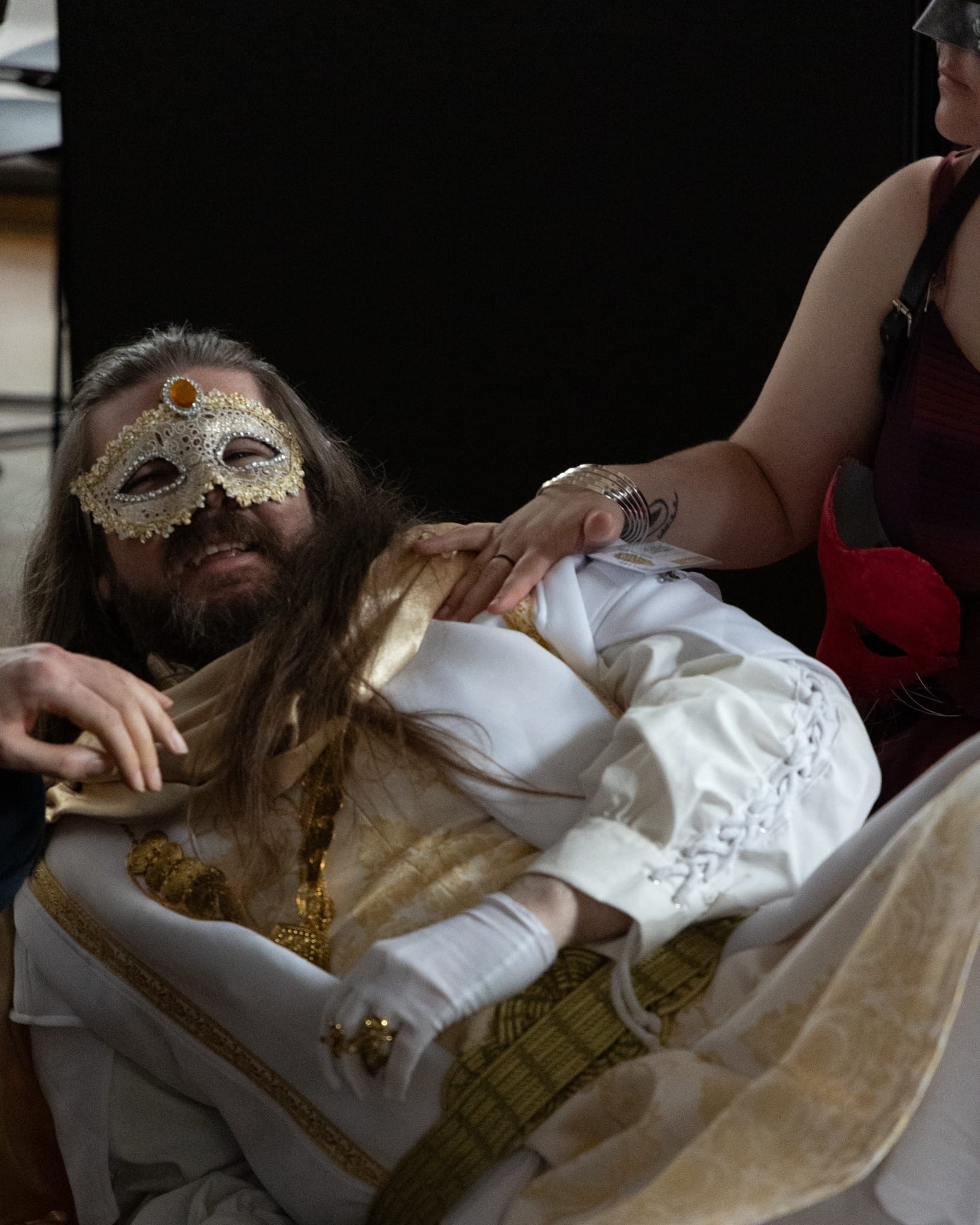
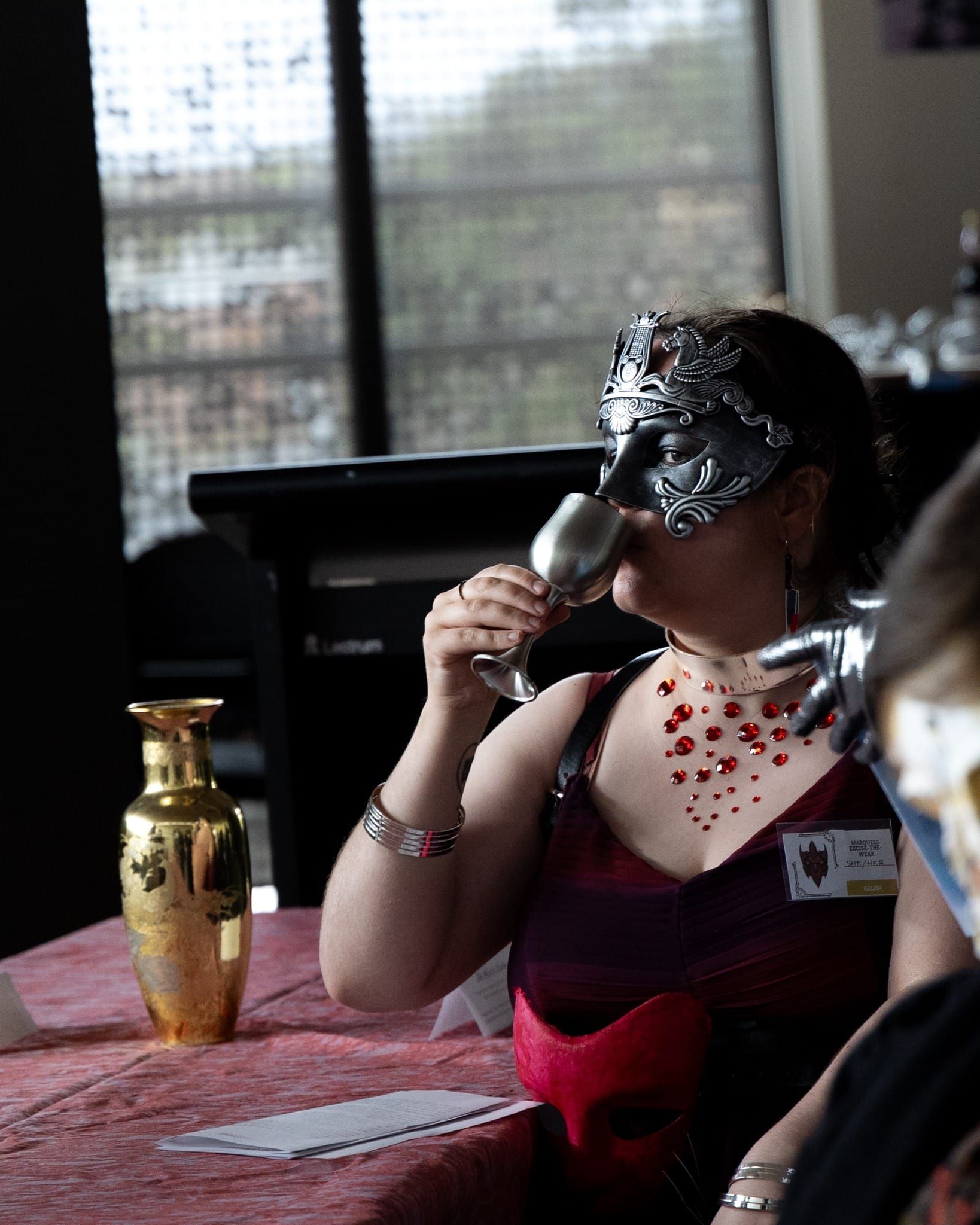
Freeform LARPs (otherwise known as Parlour LARPs or Chamber LARPs) usually have few or no NPCs, no dice, and minimal mechanics. Players get handed a pre-written character sheet with goals, secrets, backstory, and motivation, then spend the next two to four hours physically embodying that character.
The pre-written character sheets need to do the lion’s share of the worldbuilding. It’s a tricky balance; there needs to be enough information for players to understand the setting in about 10 minutes without overwhelming them.
This setting is unique and goes against a lot of fantasy stereotypes. For our game, we wanted to show players that the drow weren’t like Dungeons & Dragons dark elves: they instead were an oppressed underclass. Aelfir also feature as characters in the freeform, so players needed to know how to roleplay their specific brand of villany.