
Children of Time design diary 2: Focus
In the second of our Children of Time RPG design diary series, Minærva talks about the specific people, places and societies you’ll be telling stories about.
In the second of our Children of Time RPG design diary series, Minærva talks about the specific people, places and societies you’ll be telling stories about.
Hey all! Thanks to everyone who’s joined the campaign since the last design diary. In that one, I discussed how speculation is the core unit of the game – you and your friends thinking up an interesting situation, and asking each other questions about what’ll happen next.
Today, I’d like to talk about the places that you’ll be telling stories about. In the game, I call these the different focuses of your story. There’s three of them, one for each book in the corebook set:
- The terraformers of the old empire of Earth, working miracles just before its collapse.
- The planet the terraformers were shaping, and the new life that grew on there after their fall.
- The ark the old empire’s descendents built to escape Earth, seeking the paradise world spoken of in legend.
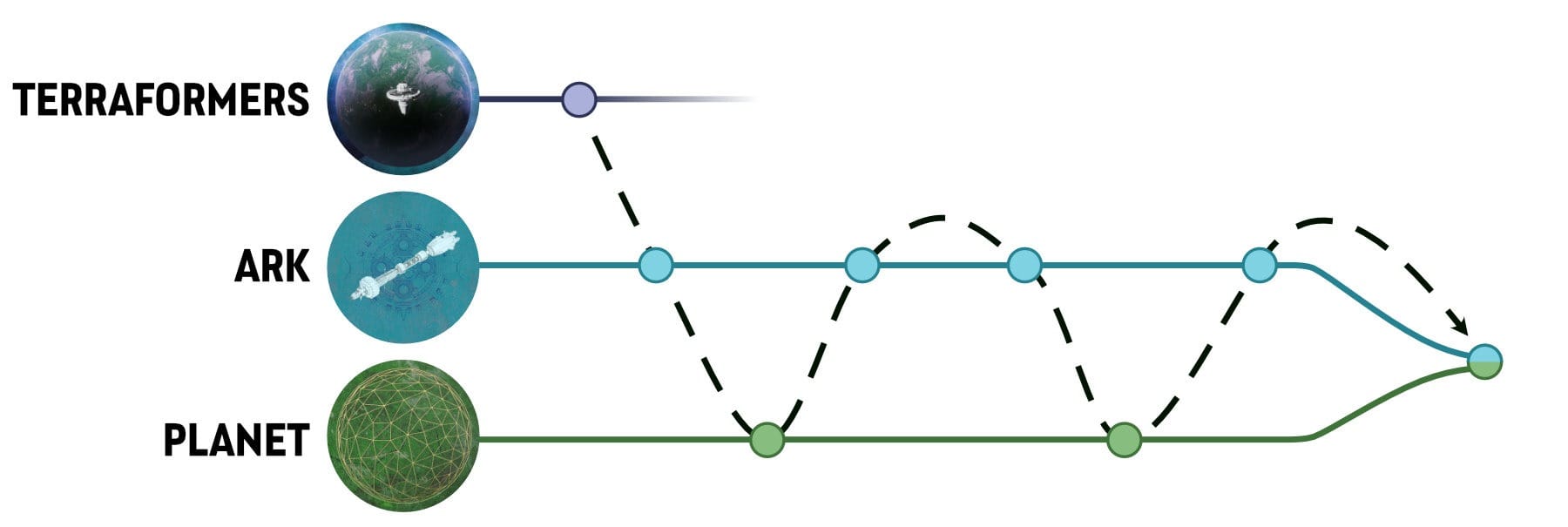
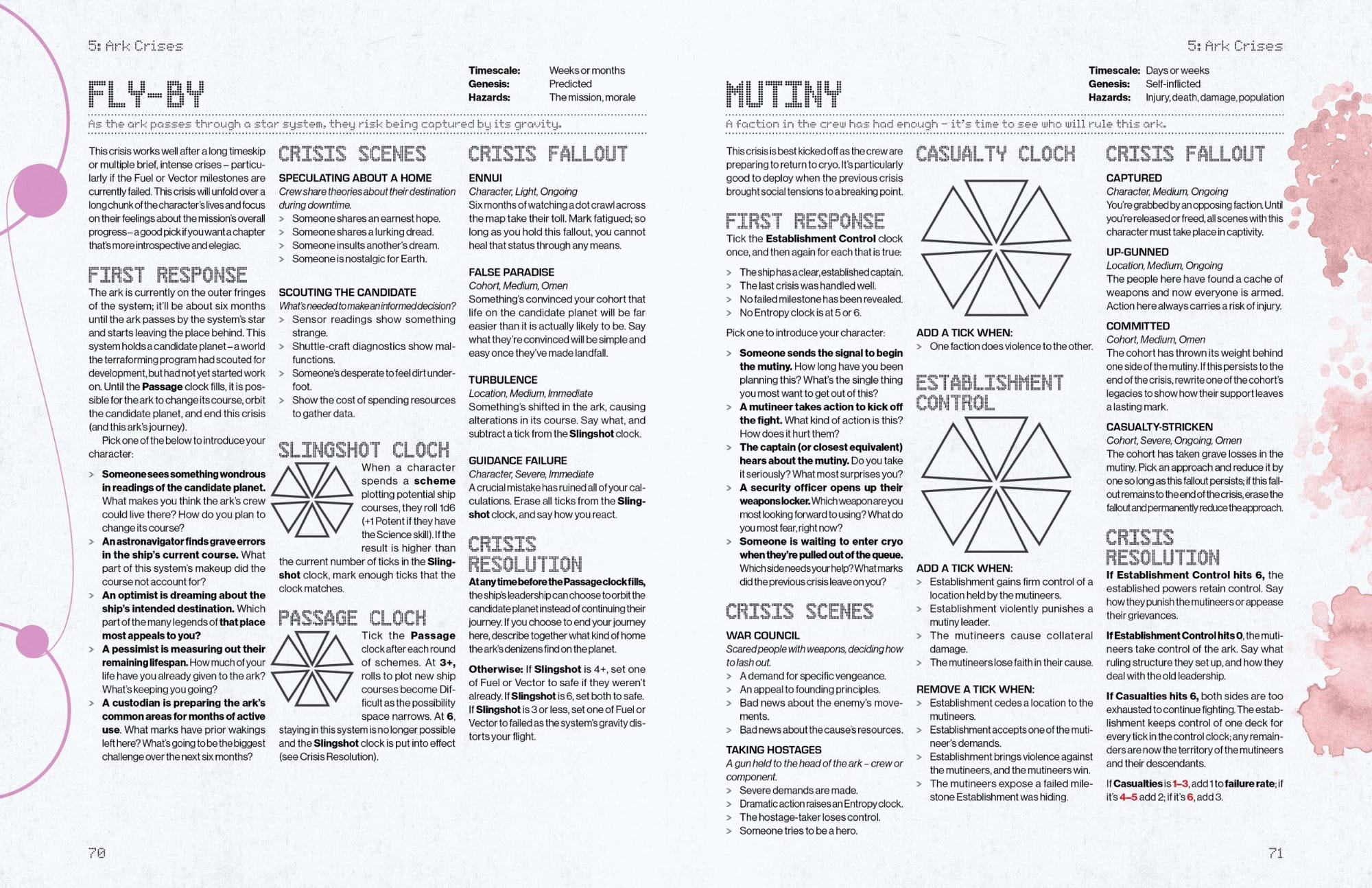
You play this game chapter-by-chapter. Each chapter, you pick your focus and the crisis they’re facing. This, too, is a storytelling decision! Say your group just played through the ark’s response to a manpower crisis – they’ve taken enough casualties they’re not sure they have the skills to hold the ark together over the remaining millennia of travel, so what do they do about it?
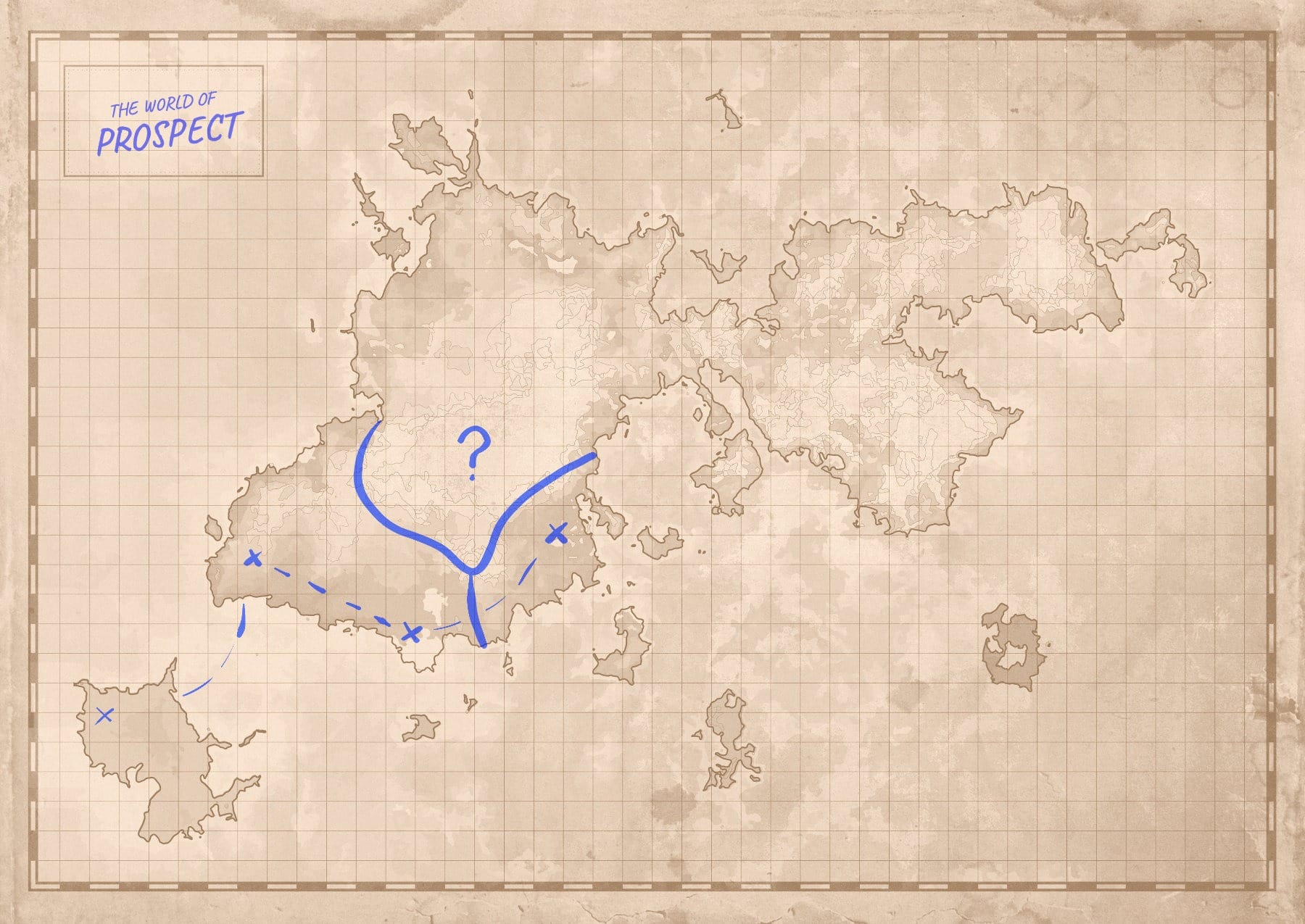
Whatever the results, your group must choose where they want to focus for the next crisis. Maybe they stick with the ark and have the tensions boil over into a mutiny crisis; maybe they instead shift over to the planet, and show how the uplifted animals deal with having too many people now as they face the expansion crisis.
In this way, your group has the power to decide the topics and themes their campaign covers – the similarities and differences between the societies at play, and the influence of the precursors who came before them.
The game’s core rules stay the same between focuses: you’re still playing characters trying to pursue their personal goals using the strengths inherited from their social cohort, picking up and putting down play stances as suits the story. But each focus also adds its own wrinkles, to give chapters set within their own texture and feel at the table.
Let’s go focus by focus and show how that works!
The Terraformer Focus
The Terraformer focus acts as a prologue and tutorial for the rest of the game – teaching you the rules and setting up the stakes for the rest of the campaign.
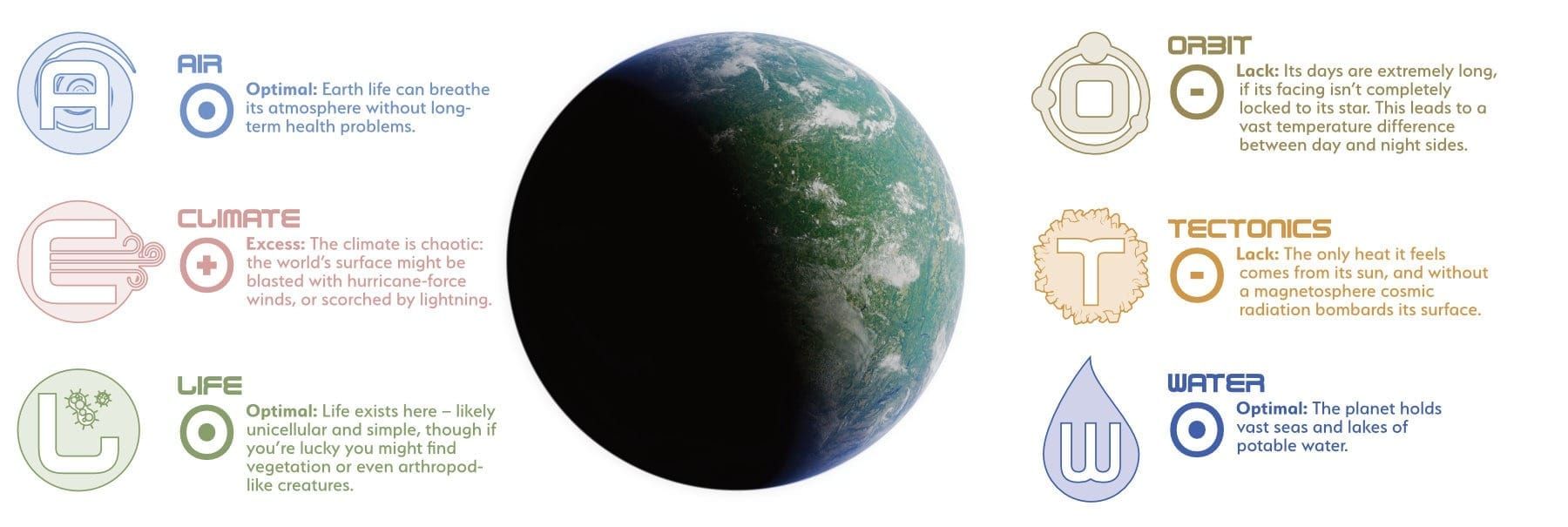
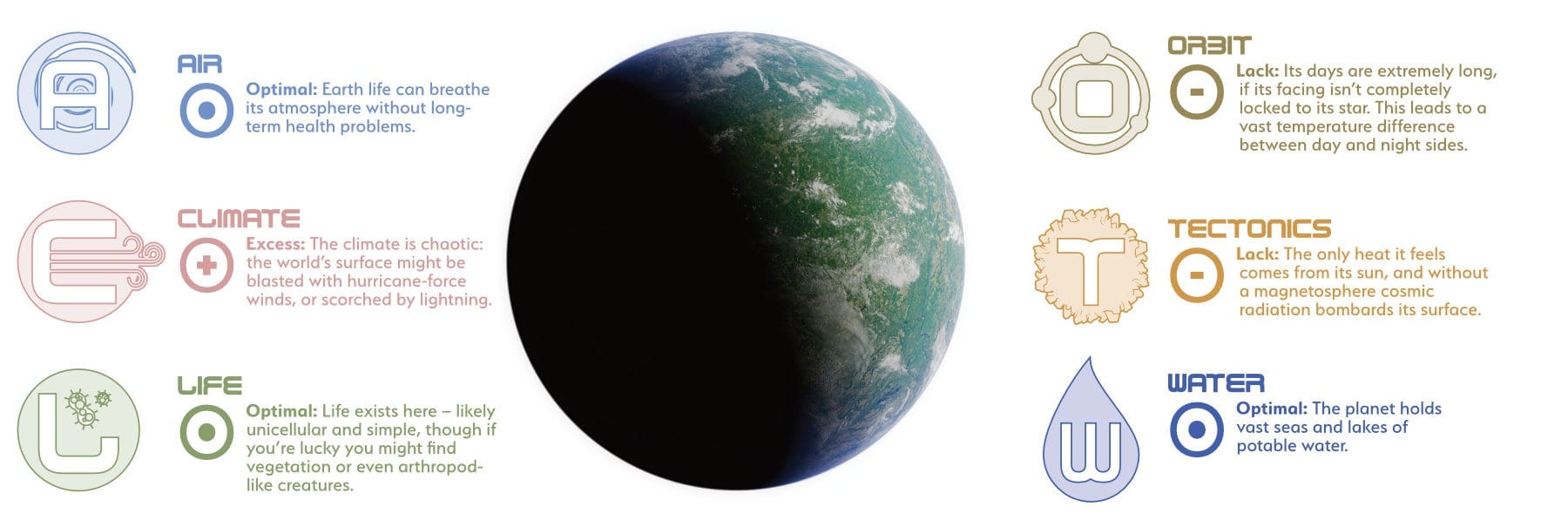
In this focus, you play the old empire’s most prestigious scientists and engineers, but the real star is the planet. When you play as terraformers, you work an incredible miracle – turning a halfway-decent lump of rock into somewhere humanity can actually thrive. As you play, you define the planet. You set up the core traits that brought you here, deploy technology to fix its flaws and magnify its strengths, and debate about what kind of paradise it will become.
You’re angels playing in eden, but there’s a snake in the grass. The interstellar empire that paid for this project is collapsing, and that collapse is sped by a virus that’s already dormant in your station’s systems. What can you accomplish before the virus destroys everything you need to survive? And what will remain of you, to be found by those peoples that come after? These are the big questions of the Terraformer focus. Even when you move on to the ark or the planet, the things you establish as terraformers will stay important and relevant.
The Ark Focus
The old empire may have fallen, but humanity survived. Earth is poisoned and war-scarred, but some of the technological marvels of the pre-collapse society are still here. From scavenged parts and archived data, the ark project was born – dozens of colossal ships filled with frozen humans in their thousands, sent out into the depths of space in search of one of those near-Earths found in the archives of the ancient terraformers.
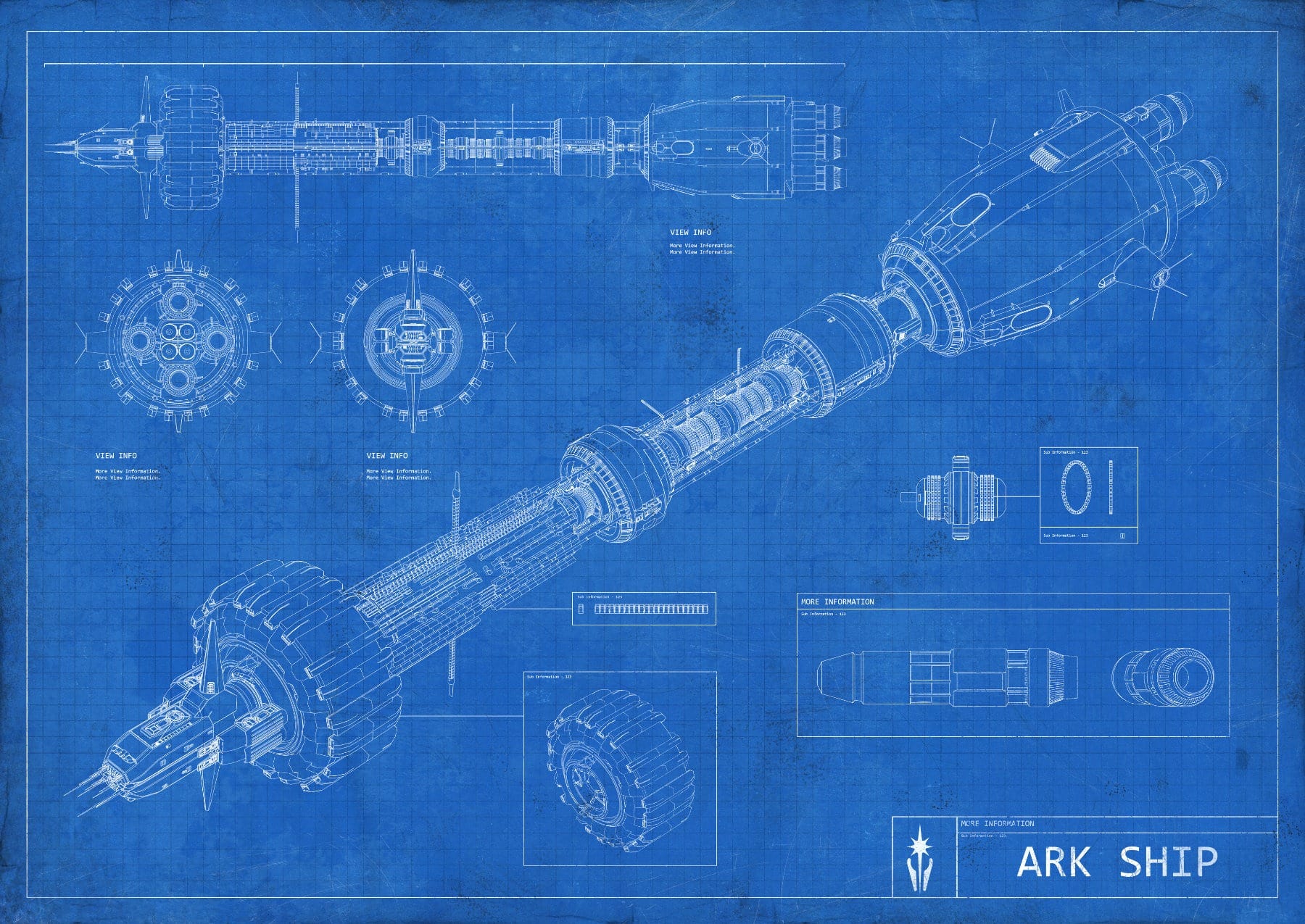
In the ark focus, you play the crew of one of those arks, frozen in cryo tubes and thawed out when a problem needs your specific set of skills. You start by building and naming your particular ark – its key locations, and the special components that set this particular ship apart. Maybe it has a self-aware AI managing it, luxury quarters salvaged from old empire cruise liners, or hydroponic farms ready to produce fresh food.
Then you talk about its crew. The Ark Project picked each of you, and put you into particular departments: Key Crew, Engineering, Scientists, and Security. You talk about how your crew is defined – how do people expect Security to act? What do Key Crew tend to wear? How do others treat the Scientists who wake them up from cryo?
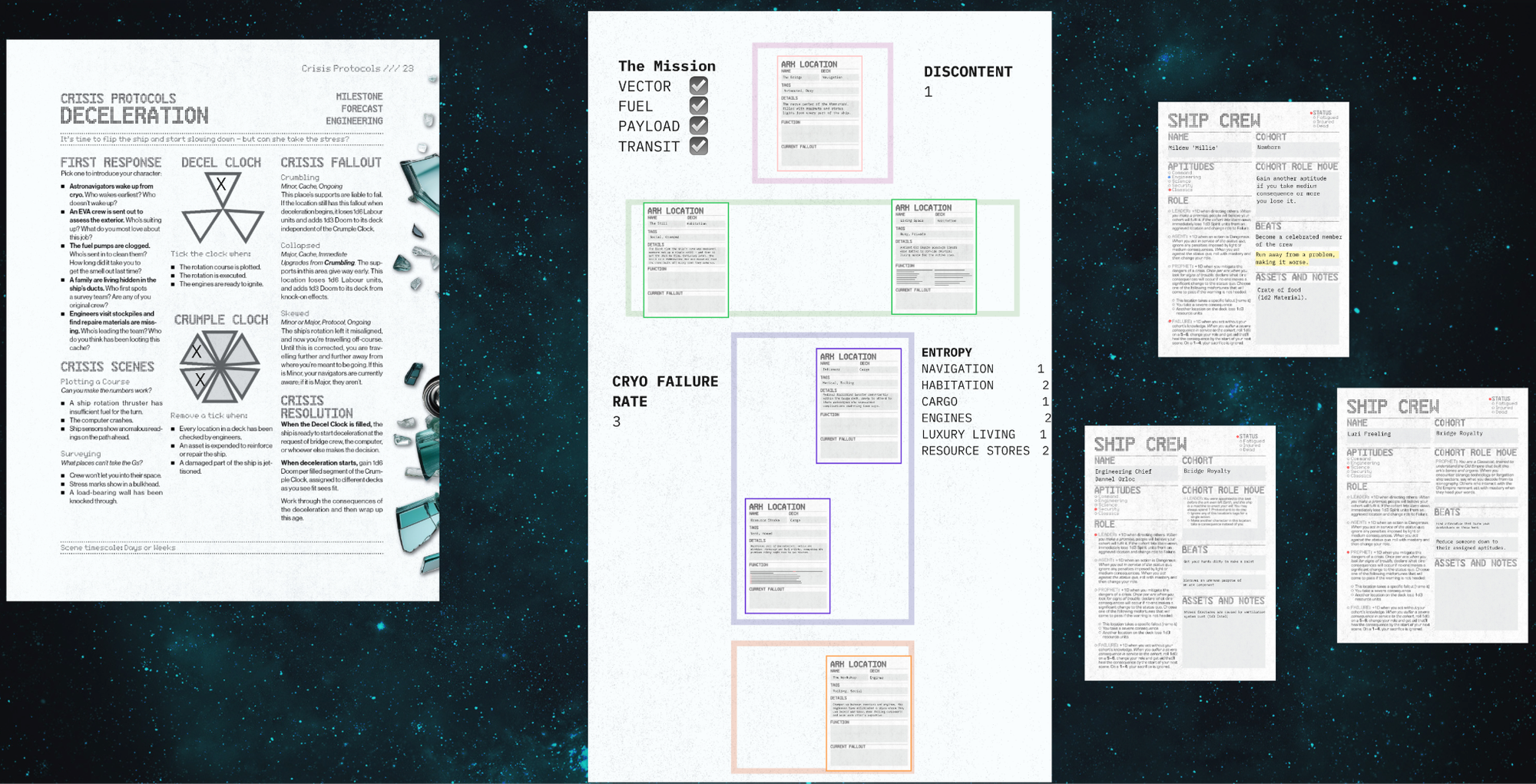
And then, finally, you put the ship in flight. This is a game of entropy and evolution, and the ship skews heavily to the entropy side. Your survival depends on you keeping its various systems out of the red – Key Crew need make sure it’s on course to reach its destination, Engineering slow the rate its systems are failing, Scientists manage population health and safely bring people in and out of cryo, and Security throw bodies at problems and attempt to manage discontent among the crew. Each of those comes with their own fallouts that persist from chapter to chapter, showing the impact of your character’s actions even when they might be lost to the ark’s depths or fail to wake up from cryo.
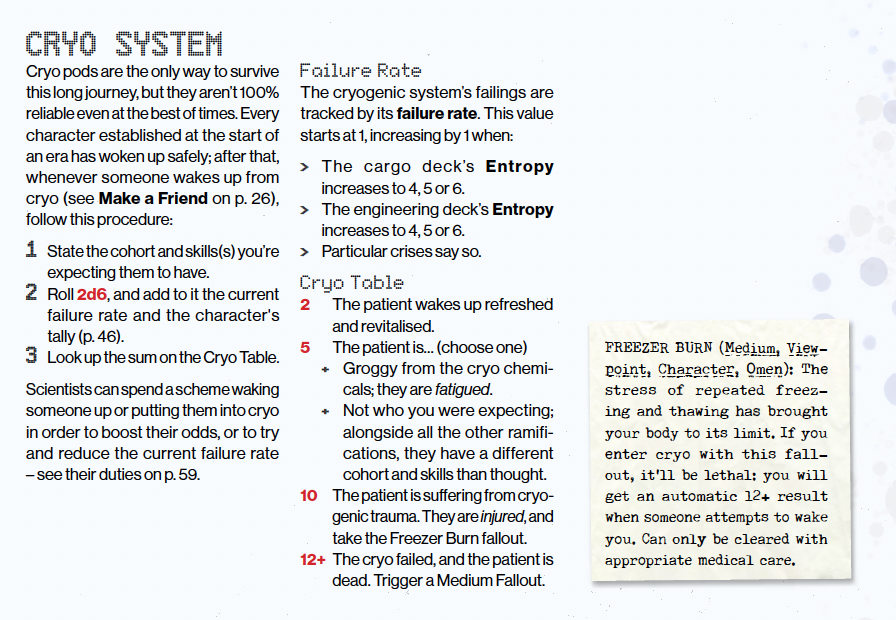
If you manage to beat the odds and hold your ark ship together, you might just reach the terraformed planet paradise the old empire’s records promised you. However, those records are ancient, incomplete, and full of corporate propaganda.
What really happened to the terraformed world in the tens of thousands of years since the terraformers died?
The Planet Focus
While the terraformers are long dead – barring any desperate experimental mind uploads – their beloved planet sticks around. Unshackled from their overbearing would-be-gods, but bearing the blessings of their victories and the scars of their failures, it’s become the home of a new society of creatures – Earth life, uplifted to sentience by a nanotech virus gone rogue in the terraformer’s absence. It’s those creatures that this focus is all about.
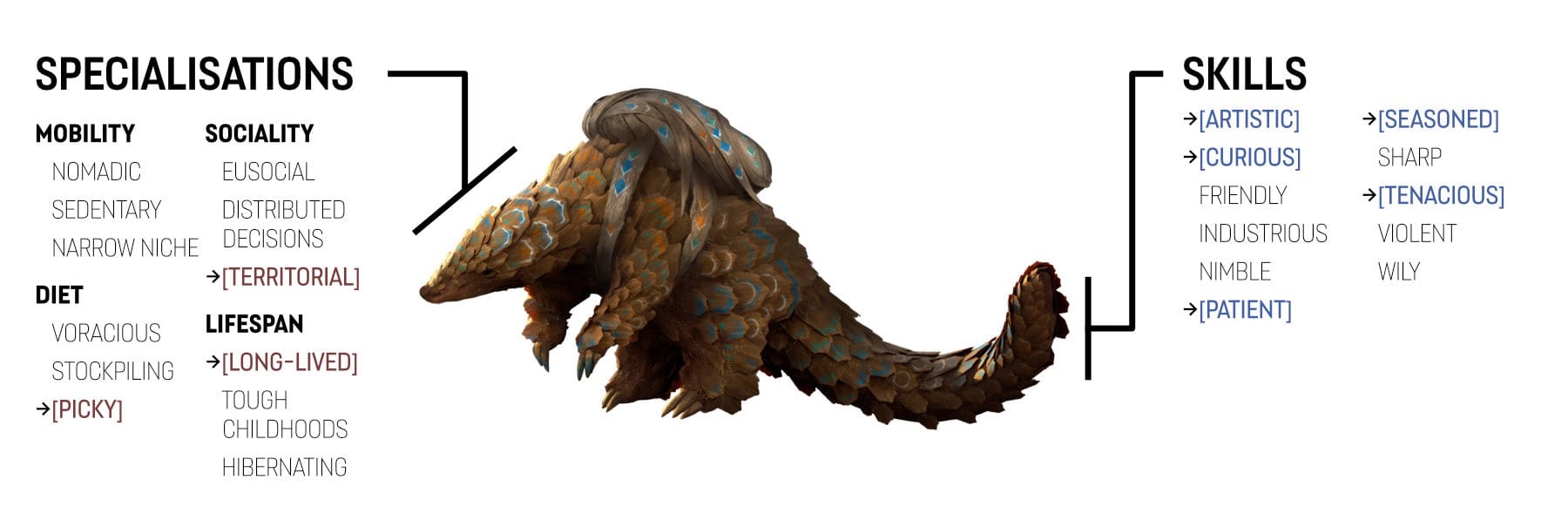
Step one of the planet focus is working out what kind of animal you’re playing. I encourage groups to treat this like a powerpoint party – bring your own pitch for an interesting creature, talk about what excites you about them, share weird animal facts, and listen to other people’s suggestions. The book has guidance for this discussion, and how to ask each other interesting questions – but passion is the key thing! By the end of the process, you’ll find your creature, know their strengths, and the problems they’re likely to face as their society evolves.
Once you’ve got your creatures, it’s time to decide how they socialise. The book gives five different social cohorts, of which you’ll pick three to begin with. Maybe your inquisitive spiders have Builders, Lorekeepers and Pioneers? Or perhaps you’re playing a mixed group of cetaceans – and so most of your Lorekeepers are blue whales, most of your Warriors are orcas, and Steward porpoises try to hold it all together? Whichever you pick, you customize these cohorts like the ones on the ark: you decide how others see them, how they tend to approach problems, and take the first steps in defining their impact on the world.
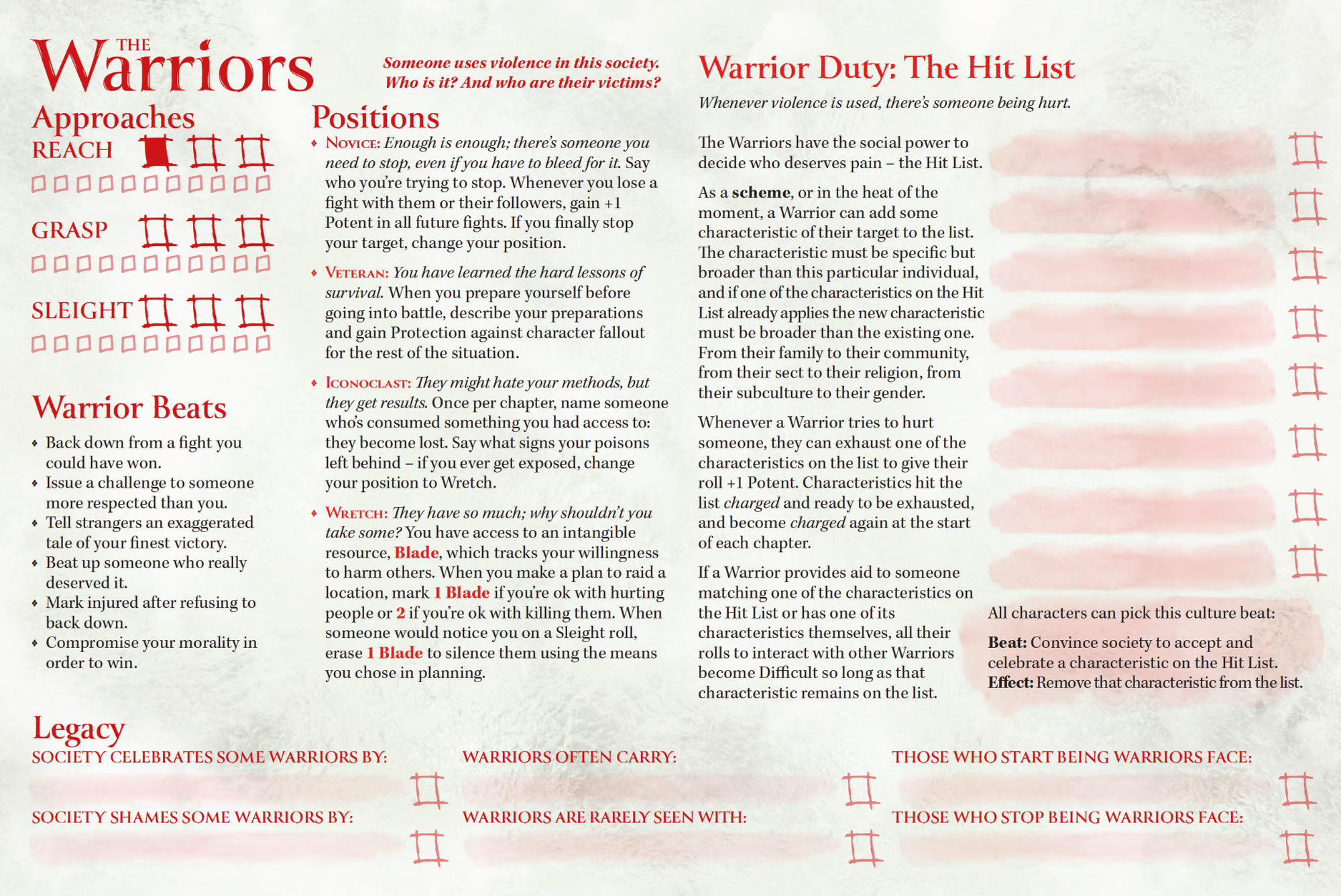
If the ark ship focus leans towards entropy, the planet focus is about evolution. You’ve got this vast possibility space to explore – an unmapped planet, a nascent society, a history as yet unwritten. The planet’s systems aid in this: they give rules for exploring this world, learning more about its seasons, and changing society in permanent ways. Even the roles your characters play in society (and their accompanying abilities) change over time, as veterans shift to become trained leaders and wretches become failures kept from rock bottom by a social safety net.
Shifting Focus
That’s the big idea behind the arc of the game, and why we’re making three books instead of one. It’s not just a game about society-building but also comparative society-building, and that’s really exciting to me.
Next time… hmm, I think I’ll let you folks decide what I talk about next week. Which of these do you most want to hear about?
- How characters stand out from their society and change the world.
- How individual actions ripple out into society-wide fallout.
- Why the game excels at GM-free (or rather, GM-full) gameplay.
Kickstarter backers can answer here and let me know what you'd like me to write about next!